


Erasmus in Spain:
A Journey of Passion and Culture
IES Carles Vallbona, Granollers

IES Carles Vallbona is a well-regarded secondary school known for its commitment to quality education and a supportive learning environment.
Programs Offered:
-
Secondary Education:
Comprehensive curriculum covering languages, mathematics, sciences, social studies, and physical education. -
Bachillerato (High School):
Prepares students for university entrance exams and higher education. -
Vocational Training:
Practical programs tailored to the job market, providing pathways to employment or further education.
Facilities:
-
Modern Classrooms:
Equipped for interactive learning. -
Laboratories:
Specialized facilities for science, technology, and engineering subjects.
Stage Report
Event Overview
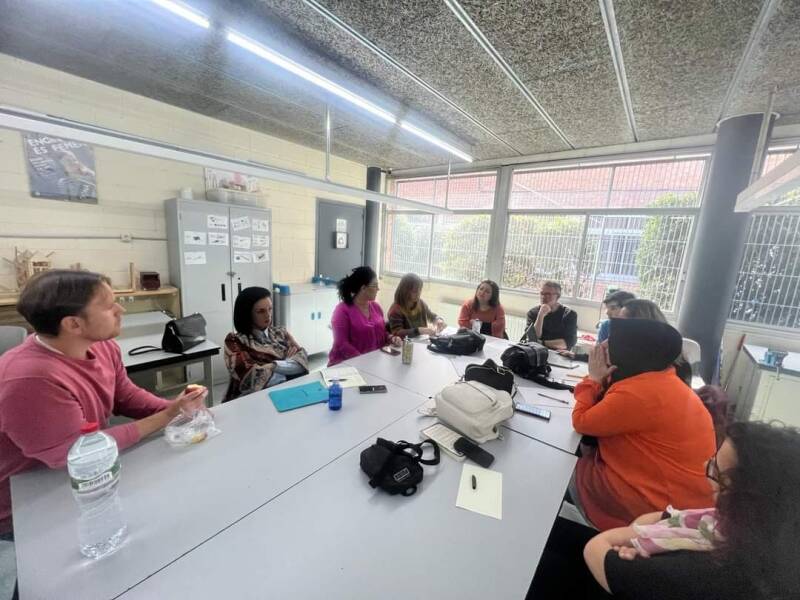
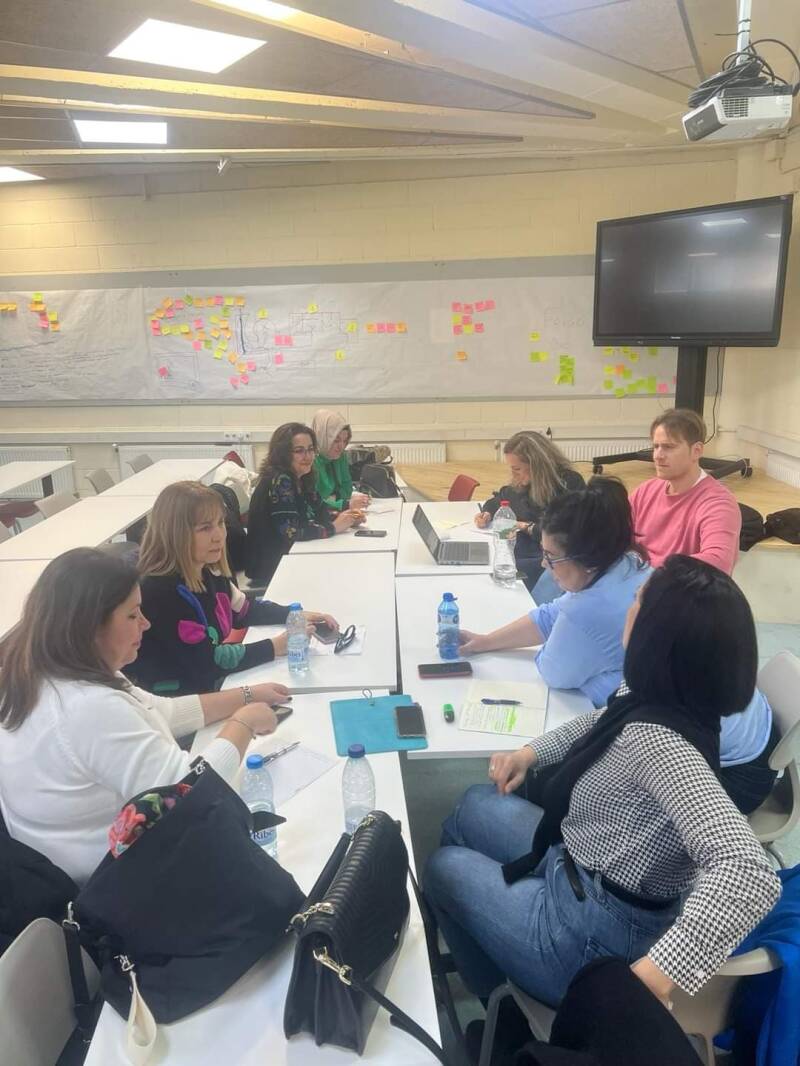
During the third week of March 2024, from Monday the 18th to Friday the 22nd, the different delegations participating in the Erasmus+ Project KA210 “The Secret of Success is Hidden in STEM gathered at IES Carles Vallbona in Granollers, Spain. This in-person meeting was a follow-up to our October Project Kick-off Virtual Meeting, allowing us to further discuss the implementation and benefits of STEM education.
According to Suh and Khan (2019), STEM knowledge significantly impacts students by linking environmental problems and sustainability to society and the real world.
Therefore, it is essential for teachers to develop STEM lesson plans integrated into education for sustainable development.
This concept guided our stage, resulting in the following schedule:
Key Topics Discussed
1. What is STEM?
2. How should a STEM program be prepared and implemented?
3. Benefits of a STEM lesson plan.
4. Stages of the STEM program.
5. Creating a team for the project.
6. Determining the object of the project.
7. Connecting interdisciplinary achievements in STEM fields.
8. Defining objectives and problem-solving plans.
9. Evaluation and writing of the project report.
10. Creating a STEM field in schools: Areas of concern, research and analysis, interactive learning, presentation, and collaboration spaces.
11. Addressing climate problems and potential solutions.
12. Creating and presenting STEM lesson plans with engineering design process steps.
13. Review of STEM concepts and the design process.
14. Contribution of STEM to lessons and practical methodologies.
Outcome and Future Plans
The discussions and activities during the week have equipped us with the knowledge and strategies needed to implement STEM education effectively in our schools. We are now prepared to tackle our next project topic in Greece, focusing on Smart Home Systems, scheduled for the upcoming season.


Crea il tuo sito web con Webador